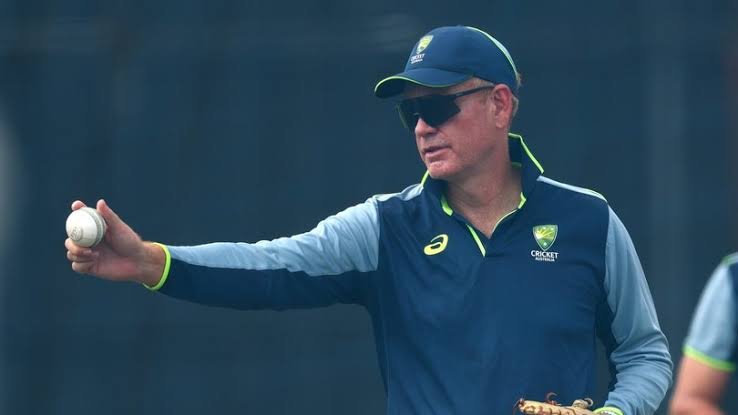
Instead of depending solely on individual batting averages, Australia’s head coach Andrew McDonald has stated that the squad evaluates Test batting performance based on a player’s effect in games and their share of the team’s total runs. During Aus training camp in Brisbane, McDonald made the remarks.
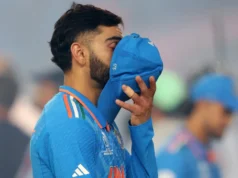
McDonald said that even top Indian players have seen their averages decline recently, acknowledging that circumstances have made it more difficult to score runs overall.
Why does Aus continue to support players with lower averages?
McDonald defended a number of Aus hitters who have come under fire from the outside world for not averaging what is expected. He said that the team’s winning record supports the internal method of performance evaluation and that it is crucial to consider the circumstances before making inferences based just on averages.
McDonald also discussed the current situation in Australian domestic cricket, pointing out that spin overs are down and Shield batsmen are currently averaging in the mid-30s while seam bowlers are averaging under 20. He contrasted this with circumstances in 2005, when bowlers might have averaged 30 runs and domestic hitters would have averaged 50, a differential of about 20 runs in each way.
Regarding the calibre of up-and-coming talent, McDonald said he was optimistic about Australia’s youthful batting talent and mentioned that an Australia A tour to India would allow younger players to demonstrate their abilities.
What does Australia’s Test cricket future hold?
With 20 Test matches and 14 white-ball internationals scheduled for the upcoming year, Australia will have a challenging schedule. A five-Test trip to India, a one-time Test match against England to commemorate the 150th anniversary of Test cricket, and a five-Test Ashes series in England are all part of the schedule. McDonald will lead the team during this time; his contract expires at the end of 2027.
McDonald made it apparent that rather than becoming involved in more general discussions about pitch preparation or the future of the game worldwide, his concentration is still on finding solutions to the issues that opponents and conditions offer.