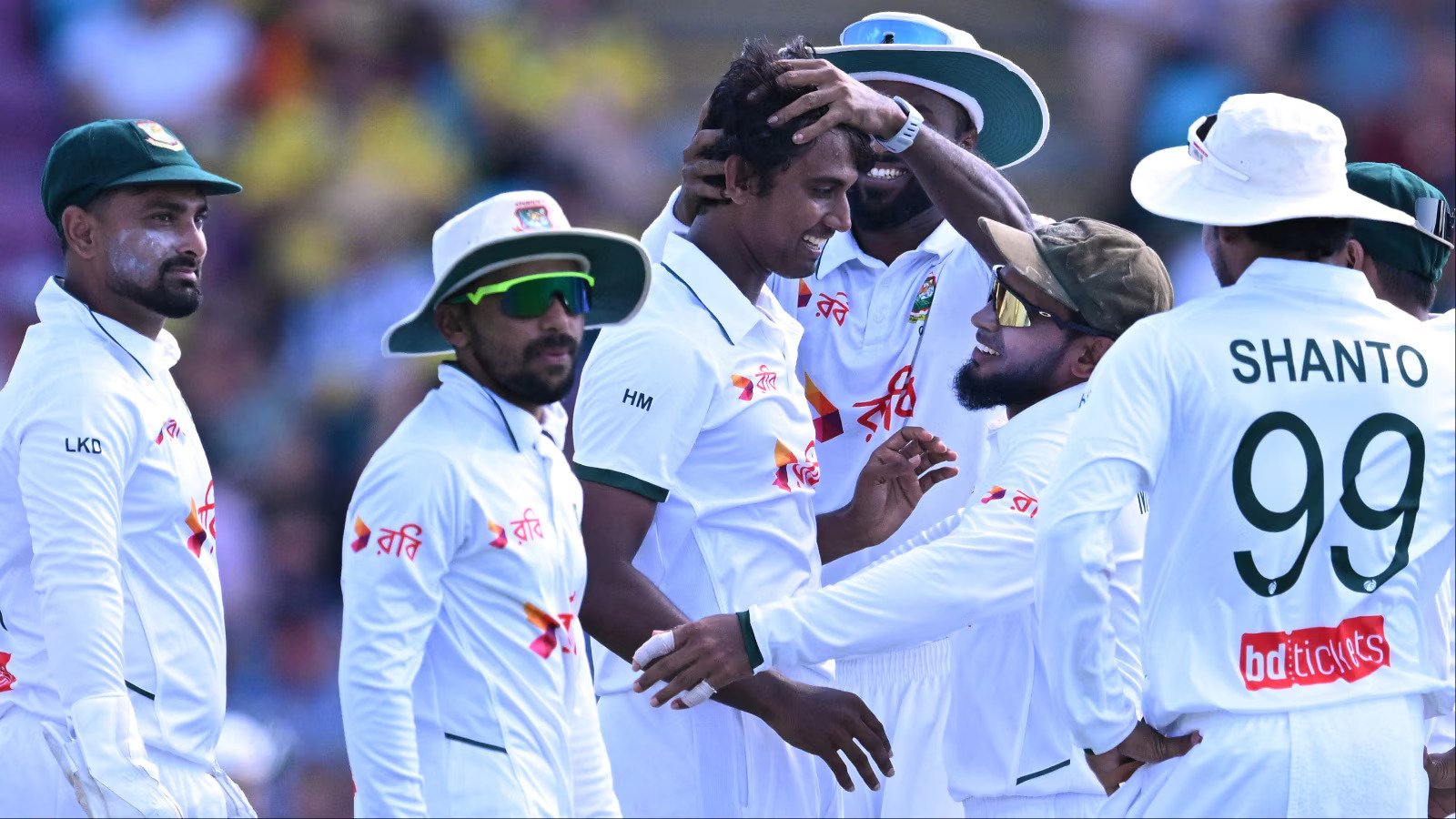
On August 16, 2026, Bangladesh made cricket history by defeating Australia by nine wickets in the opening Test match in Darwin. They were the fastest Asian side to win their first Test match in Australia with this triumph, which they won in just their third Test on Australian territory. No other Asian country has even come close to matching this record.
Bangladesh has now won two Test matches in SENA nations. In 2022, they made their first appearance in Mount Maunganui in New Zealand. Additionally, Bangladesh has only defeated Australia twice in seven meetings at all locations; the other time was during the 2017 Mirpur Test. The game took place between August 13 and August 16, 2026.
In terms of wickets, the 9-wicket victory is Bangladesh’s second-largest Test triumph. It is only surpassed by their 10-wicket victory over Pakistan in Rawalpindi in 2024.
In Australia, how does Bangladesh’s record stack up against that of other Asian teams?
When compared to the historical records of other Asian countries in the region, Bangla accomplishments become more apparent. India required 12 attempts to win their first Test match, while Pakistan needed seven. Bangla three-Test comeback is a truly noteworthy milestone in Asian cricket, as Sri Lanka, despite a rich history of Test cricket, has yet to win in Australia after 15 attempts.
Bangladesh’s historic victory in Darwin was fuelled by which performances?
In Australia’s opening innings, Hasan Mahmud was the key player with the ball, taking six wickets for fifty-five runs. Mahmud was selected Player of the Match for his efforts, which limited the hosts to a total that Bangla was able to overtake with substantial authority.
In Bangla opening innings, Tanzid Hasan led the batting effort with 101 off 197 balls. Bangladesh was in a strong position after his century, and they eventually removed the target for just one wicket.
Bangla place in the ICC World Test Championship standings has also improved as a result of the Darwin victory. With a points conversion rate of 66.67 PCT, they are ranked fourth, demonstrating their steadiness in a variety of Test cricket scenarios.