The BCCI’s approach to policing domestic cricket below the Indian Premier League level has significantly changed as a result of the relocation. For the first time, the Anti-Corruption and Security Unit (ACSU) of the Board of Control for Cricket in India has expanded its oversight to include every game in all state-run Twenty20 competitions.
Up until now, the IPL, international cricket, and major domestic matches were the main subjects of in-depth ACSU coverage. The board has now taken steps to rectify the supervisory vacuum that existed during state T20 competitions.
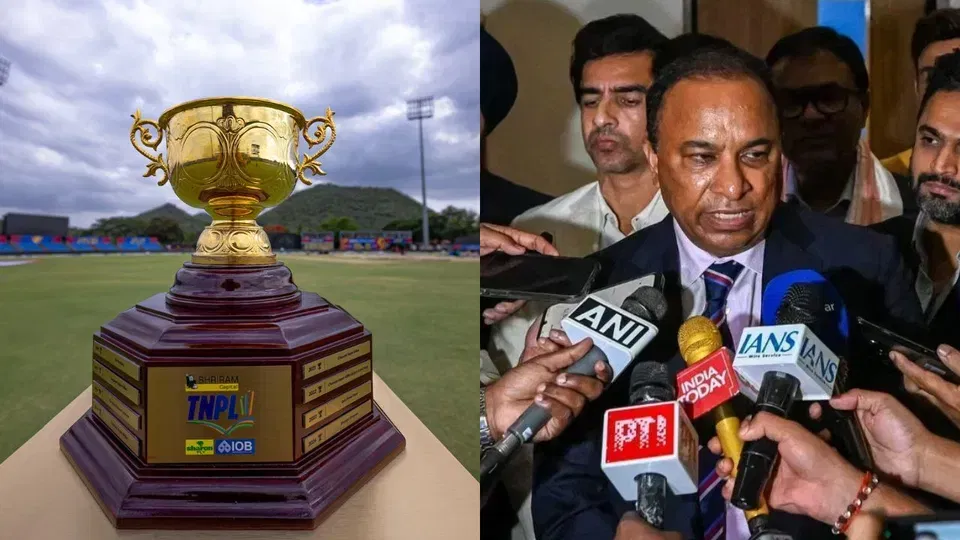
The extension comes after the discovery of a cell phone in the Players and Match Officials Area during the Tamil Nadu Premier League, which resulted in a Tamil Nadu cricket player being fined INR 1 lakh by the ACSU and barred from the competition. Both the player’s identify and the precise length of the ban have not been made public.
Why did the BCCI decide to expand ACSU’s coverage to include state leagues?
In violation of the code of conduct, the ACSU has documented an increasing trend of bookies and suspicious people approaching players, team owners, and managers. This pattern in state competitions seems to have forced the board to fully monitor all of these events.
Devajit Saikia, the secretary of the BCCI, has openly backed the ACSU’s strategy of viewing even slight errors as grave dangers to the game’s integrity, indicating that the board will not differentiate between minor and major infractions in terms of enforcement.
The decision is made with additional weight because state T20 leagues have a known history of integrity issues. An ACSU investigation into alleged communication between bookmakers, players, and coaches was conducted in the TNPL in 2019. In a spot-fixing incident that same year, six Karnataka Premier League players—four players, one coach, and one team owner—were taken into custody. These incidents highlight the vulnerability of state-level competitions and contribute to the BCCI’s decision to take action now rather than wait for another major occurrence.
What sanctions have been imposed for phone infractions in 2026?
This year, there are numerous instances of TNPL fines. Ravinder Singh Bhinder, the team manager of the Rajasthan Royals, was also fined INR 1 lakh in 2026 for using a phone in the dugout during an IPL match, demonstrating that the ACSU holds franchise support personnel to the same standards as it does players.
Unauthorised communication during a match is one of the main ways that corrupt approaches are made or aided, hence using a mobile phone in restricted areas like the Players and Match Officials Area is considered a violation of the code of conduct.
ACSU officers will be present in state T20 matches that previously received little attention now that the additional mandate is in effect. The same regulations that apply to IPL and international cricket will apply to players, support personnel, and team management in all state competitions.