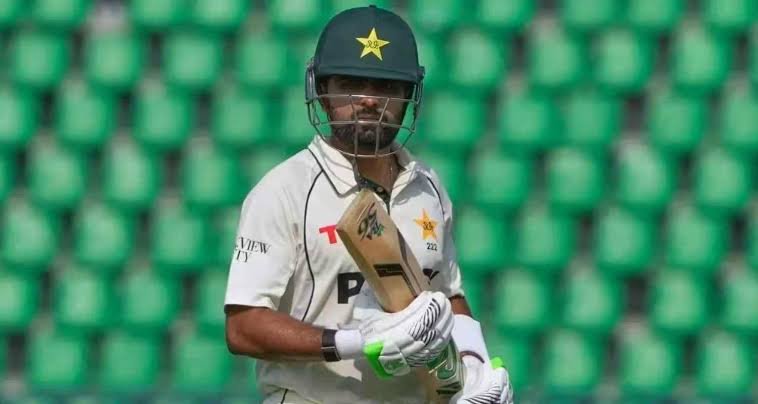
The effectiveness of Pakistan’s fast bowling assault has drastically decreased in recent years, according to performance measures. Pitch preparation techniques used under Babar Azam‘s captaincy have been partially blamed for the problem. The visiting fast bowlers routinely recorded speeds in the high 130s to mid-140s during Pakistan’s Test series defeat to Bangladesh, while Pakistan’s attack delivered at significantly lower velocities, demonstrating the deterioration.
Urooj Mumtaz, a former cricket player for Pakistan, has emphasised how domestic pitch conditions contribute to this decline. Mumtaz claims that during Babar Azam time as captain, the predilection for batting-friendly pitches produced a setting where fast bowlers had little assistance from the playing conditions.
Mumtaz stated on Sky Sports Cricket, “We’ve moved so far away from it because our batters, especially when Babar Azam was captain, wanted flatter tracks and the batsmen sort of dominated the way things ran more.”
How Pakistan’s fast bowling was impacted by pitch preparation
The effect on specific bowlers has been quantifiable. After recovering from a knee injury in 2022, Shaheen Shah Afridi, formerly regarded as Pakistan’s top fast bowler, has found it difficult to sustain his previous pace levels. Afridi got 99 wickets at an average of 24.86 prior to the injury. His efficacy significantly declined after his comeback, as evidenced by the 27 wickets he took at an average of more than 40 runs each. During the Bangladesh series, Afridi was repeatedly left out of Pakistan’s starting lineup.
Mumtaz underlined that the issue for pace bowlers was made worse by the removal of grass from first-class wickets. Because of this approach, fast bowlers were no longer able to produce movement and pace with the help they had previously relied upon.
Grass was removed even in first-class cricket. In first-class cricket, you were essentially putting the fast bowlers up against the wall, offering them little support, and giving plenty of batters to make runs without any testing. Mumtaz went on, “And that’s where I feel like they just fell off the boil.”
The combination of these factors is reflected in Pakistan’s pace attack as it is right now. Mumtaz noted that Ubaid Shah has become the attack’s fastest bowler, reaching up to 140 km/h, whereas Naseem Shah is no longer available and Haris Rauf is not bowling at his former pace.
She emphasised that fast bowlers’ approach to the game has changed as a result of their lack of support and acknowledgement. Beginning on August 19, Pakistan took on England in Test cricket. Babar Azam, who had resigned as Test captain in late 2023, captained the side.